
“How-to” books can sometimes be a bit dry and jargon-heavy. With some notable outliers such as Mike Clelland’s Ultralight Backpacking Tips, hiking texts are usually no exception. That’s why when the folks at Wiley – publishers of the iconic For Dummies series – asked me to write a book for them, my curiosity was piqued. The idea of combining a lighthearted tone with all the requisite practical information seemed like a great formula for getting more people out on the trail. The result was Hiking & Backpacking for Dummies.
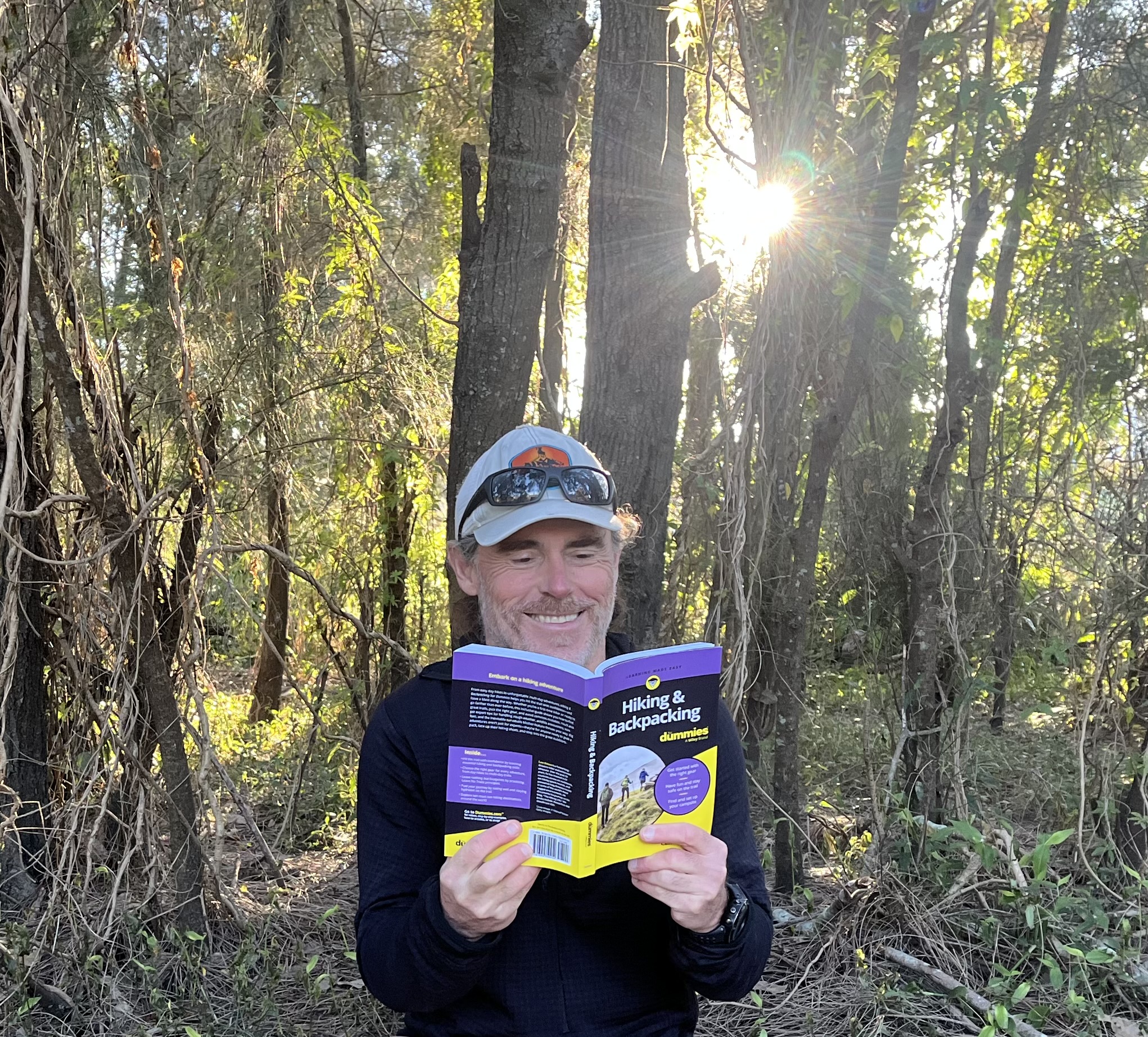
Background: Wiley and the For Dummies series
Launched in 1991, the For Dummies franchise is an extensive catalogue of non-intimidating instructional books. At the time of writing, the series numbers more than 2,400 unique titles, with total sales over 250 million copies. Topics run the gamut from science and technology to business, health, history, and hobbies.
Fun Fact: Wiley has been in the publishing game since 1807 (not a typo). In the initial years they published literary works from writers including Washington Irving, Nathaniel Hawthorne, Herman Melville, and Edgar Allen Poe. Later on in the 1800s, their focus switched to academic publishing and instructional materials, a focus which has continued to this day.
Overview
In contrast to my Wanderlust books, the focus of Hiking & Backpacking for Dummies is educational rather than inspirational. Its goal is to provide readers with everything they need to know to get started and progress safely on the trail in a clear, friendly, and no-nonsense way. To that end, the book is divided into six easy-to-navigate parts (which consist of 28 chapters), each modular and designed to be explored in any order:
Part 1: Getting Started with Hiking
Part 2: Gearing Up
Part 3: Setting Out on the Trail
Part 4: Creating a Home Away from Home
Part 5: Prioritizing Health and Safety
Part 6: The Part of Tens
The book draws primarily on my own wilderness experiences over the past four decades. As such, its 300-plus pages of practical advice are sprinkled with personal anecdotes and lessons learned from hiking journeys in places such as the Alps, Copper Canyon, Tasmania, the Andes, Lapland, and across America’s Continental Divide and Four Corners region.

Chapter 13 in Part 3 is all about Animal Encounters. It includes a detailed look at the dos and don’ts of hiking in bear country (Photo – Continental Divide Trail, Glacier National Park, Montana, 2012).
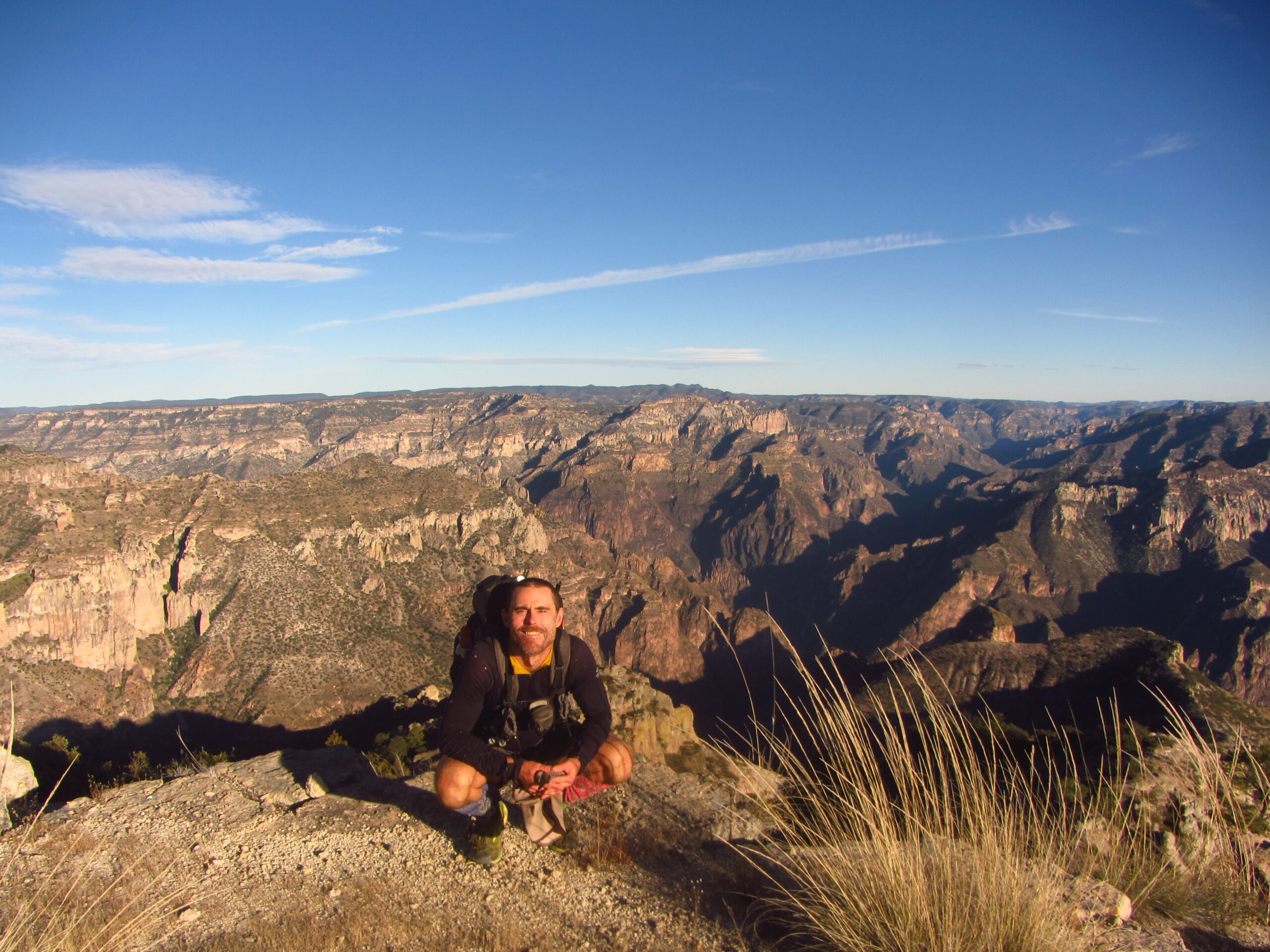
One of the Five Essential Hiking Skills covered in Chapter 14/Part 3 is downhill hiking technique. Personally speaking, the gold standard in this regard are the Raramuri/Tarahumara of Mexico’s Copper Canyon Region, a place I visited regularly between the mid-90s and 2010s (Photo – Yours truly during the Copper Canyon Traverse, a 613 km/381 mi route that linked together the area’s six major canyons).
The Breakdown
Part 1 of Hiking & Backpacking for Dummies lays the groundwork from a planning and preparation perspective. If you’re new to the sport or have limited experience, that’s most likely the best place to begin. This section includes a step-by-step guide to trip planning, tips for building hiking-specific strength and fitness, and an introduction to Leave No Trace hiking and camping principles. In these pages you’ll also find checklists for day hikes and multi-day adventures, backpacking training programs, and an analysis of the pros, cons, and style-specific considerations of solo, social, family, and “furry” (with dogs, as opposed to unshaven buddies) trail experiences.
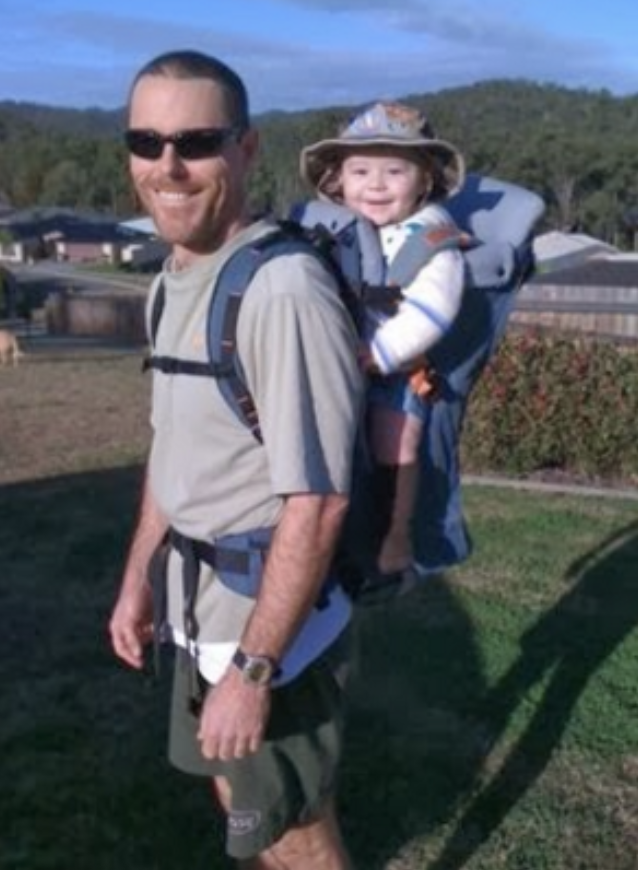
My training program for the 12 Long Walks (14,342 mi/23,081 km) included regular day hikes carrying a 20 kg (44 lb) Baby Buddha (Update: Fifteen years later, that not-so-little Buddha is now 6’6″/198cm and tips the scales at over 100 kg/220 lbs!).
Part 2 is all about hiking gear. It covers everything from choosing your “Big Four” (backpack, shelter, sleeping bag/quilt, and sleeping pad) to dialing in your layering system, going lighter without sacrificing comfort or safety, and loading your backpack for maximum efficiency (Note: Think center of gravity meets convenience). It also tackles the perennial trail runners versus hiking boots debate and includes recommendations for manufacturers that consistently produce well-made, durable, value-for-money gear.
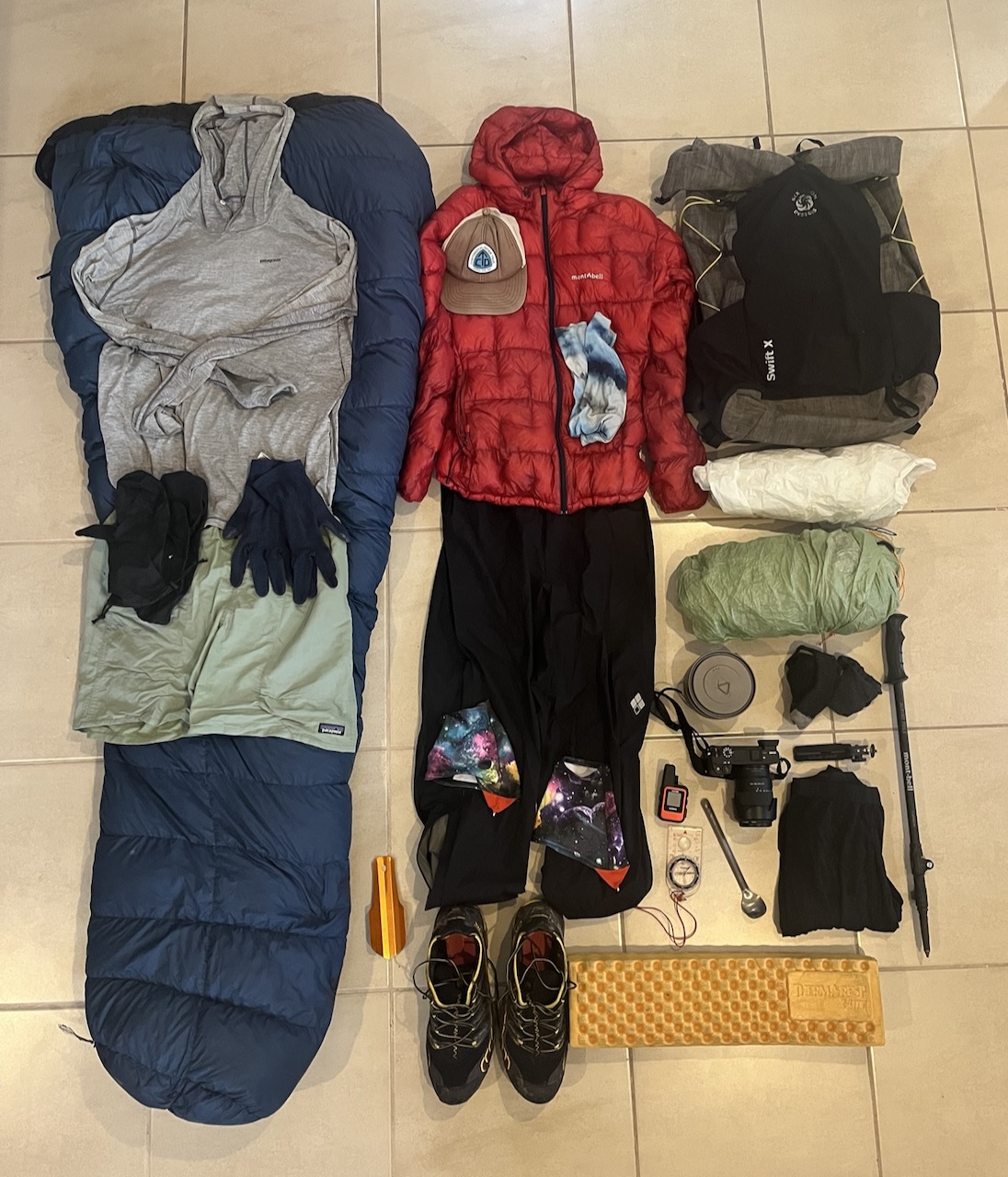
Gear taken on Greenland’s Arctic Circle Trail, September, 2022.
Part 3—Setting Out on the Trail—details the knowledge and skills needed to stay safe and comfortable(ish) once you’re out in the backcountry. Topics range from wildlife encounters and fording rivers to maintaining your objectivity when everything around you has (seemingly) gone to #!%!. The screenshot below is from the book’s Kindle Edition, and shows the chapters and subjects covered in Part 3.
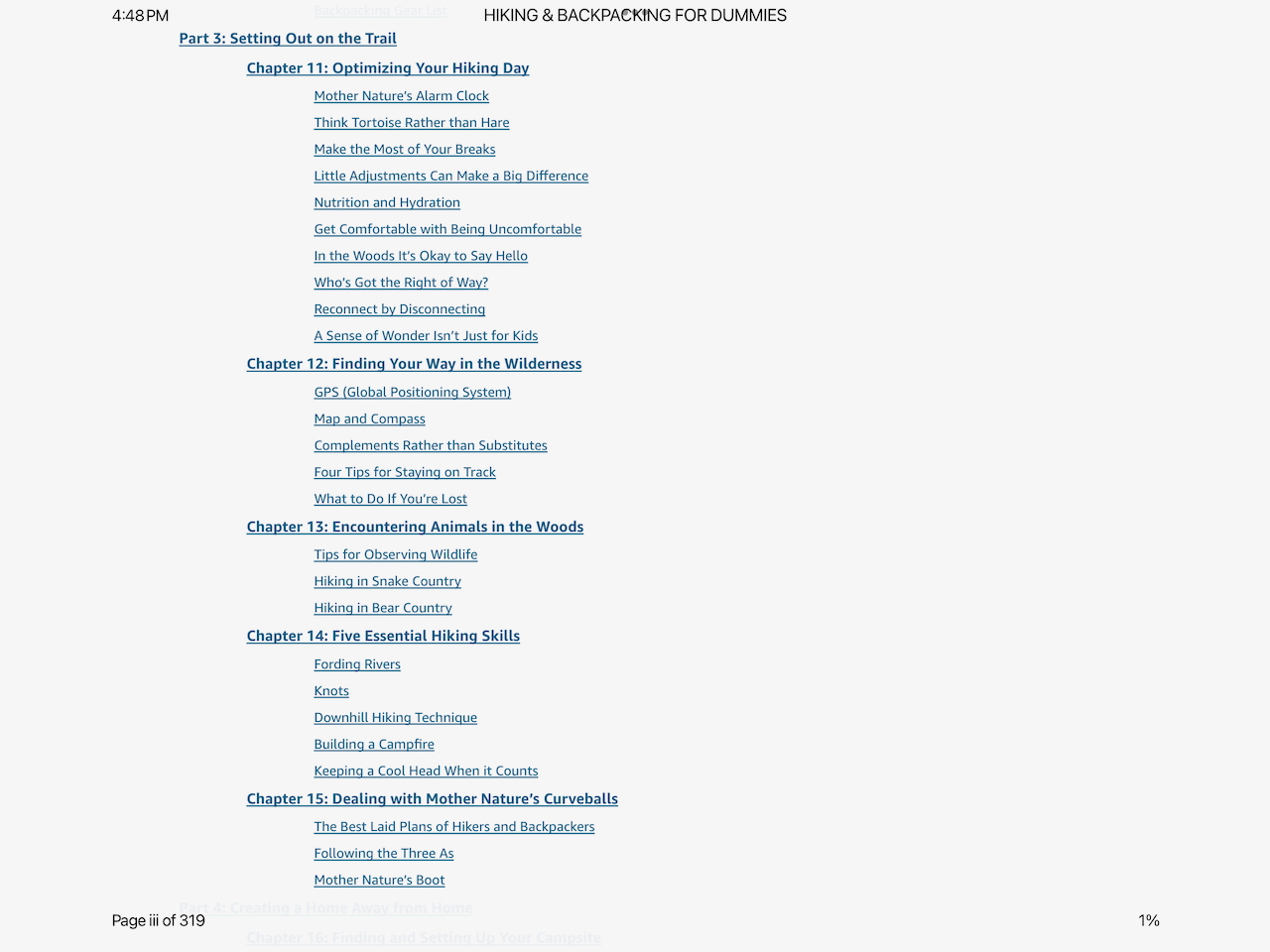
Table of Contents, Hiking & Backpacking for Dummies (Kindle Edition).
Part 4 shifts the focus to the camping side of backpacking. It consists of two chapters: Finding and Setting Up Your Campsite and Evening and Morning Camp Routines. The first begins by weighing the pros and cons of designated versus dispersed camping before taking a deeper dive into the dispersed option—what to look for in a campsite, what to avoid, and tips and tricks for creating your home away from home. It finishes with advice on pitching your shelter when it’s raining cats and dogs (Spoiler: The same way you do when it’s dry—only faster and with a bit more colourful language).
The second chapter walks readers through my evening and morning camp routines. Whether I’m out for a relaxed weekend with family and friends or tackling a solo multi-week expedition, these are the habits that help keep me safe, organised, and save me from spending half the morning wondering where I put my headlamp.

Calm before the (Biblical)storm during a east-to-west traverse of Tasmania’s Arthur’s Range (2015).
Part 5 is devoted to staying healthy in the wilderness. Subjects include keeping well hydrated and fueled out on the trail (because “hangry” is a safety issue), mastering the art of the backcountry bathroom break, and how to prevent and treat bites, stings, rashes and blisters. The final chapters of Part 5 cover thermoregulation, hiking at high elevations, and how to navigate natural hazards such as forest/bush fires, electrical storms, and flash floods. In a nutshell: avoid them if you can, know what to do if you can’t.
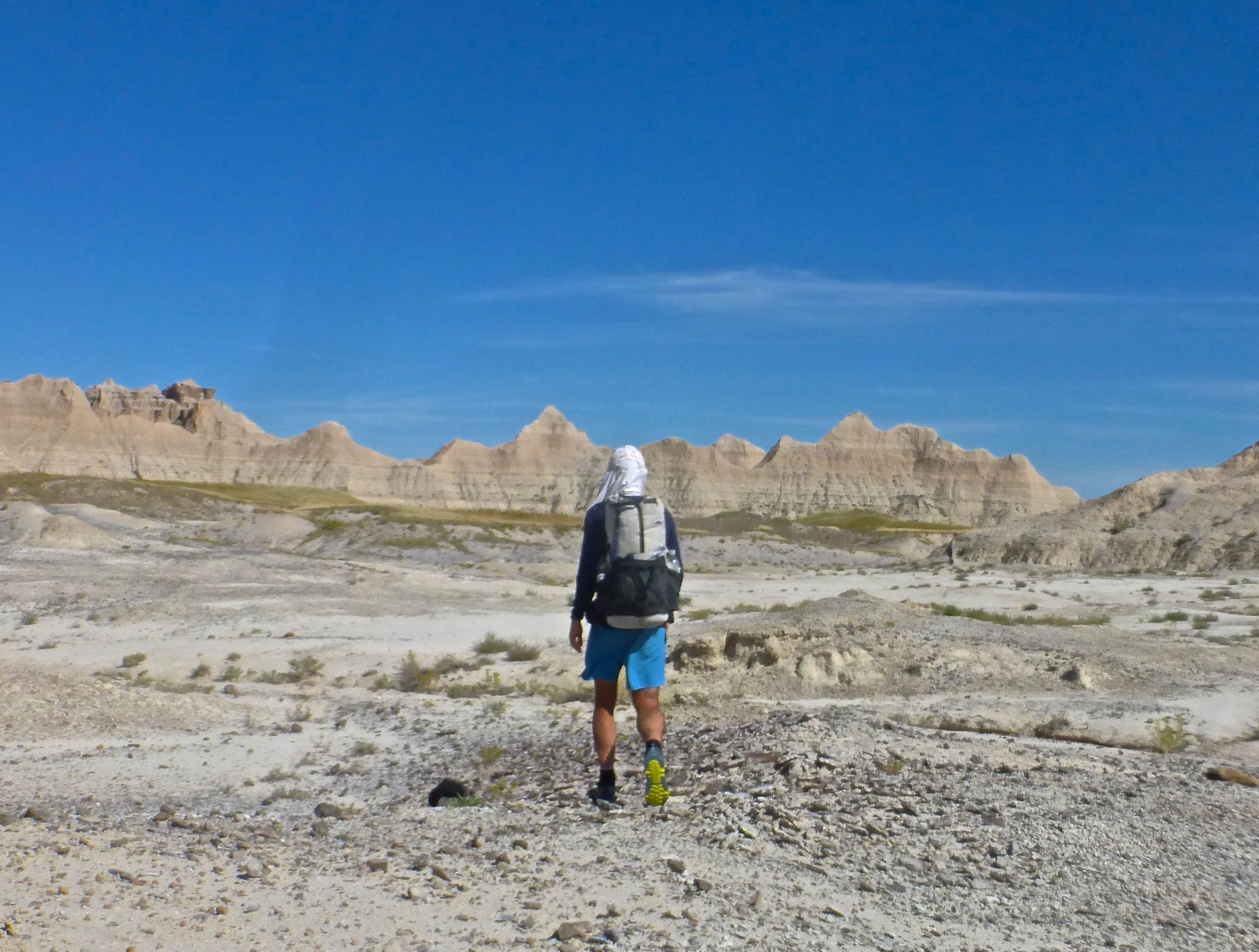
Chapter 19 in Part 5 is called “Hydrating and Purifying: Wilderness Water Solutions.” In the side bar section, it includes a deep dive into my H2O strategy for the traverse of South Dakota’s Badlands National Park.

Chapter 23 is titled “Hiking at High Elevations.” In the side bar section, I provide a detailed rundown of my acclimatization process for the traverse of Peru’s Cordillera Blanca (photo was taken just below Ishinca Pass (5,201m/17,064 ft).
The concluding section of Hiking & Backpacking For Dummies is the Part of Tens. A staple of every For Dummies guide, these chapters consist of bite-sized tips, fun facts, and the occasional random musing related to the book’s subject. In this case, Part 6 includes three chapters: Ten Hiking and Backpacking Myths, Ten Mistakes Beginner Hikers Make, and Ten Dream Hiking Destinations. The final chapter showcases some of my favourite hiking regions from around the world, including the High Sierra, Patagonia, the Four Corners, the Swiss Alps, Lapland, the Canadian Rockies, the Nepal Himalaya, the Central Andes, and Tasmania. To whet readers’ appetites, each destination features five standout hikes, with something to suit everyone from beginners to experienced vets.
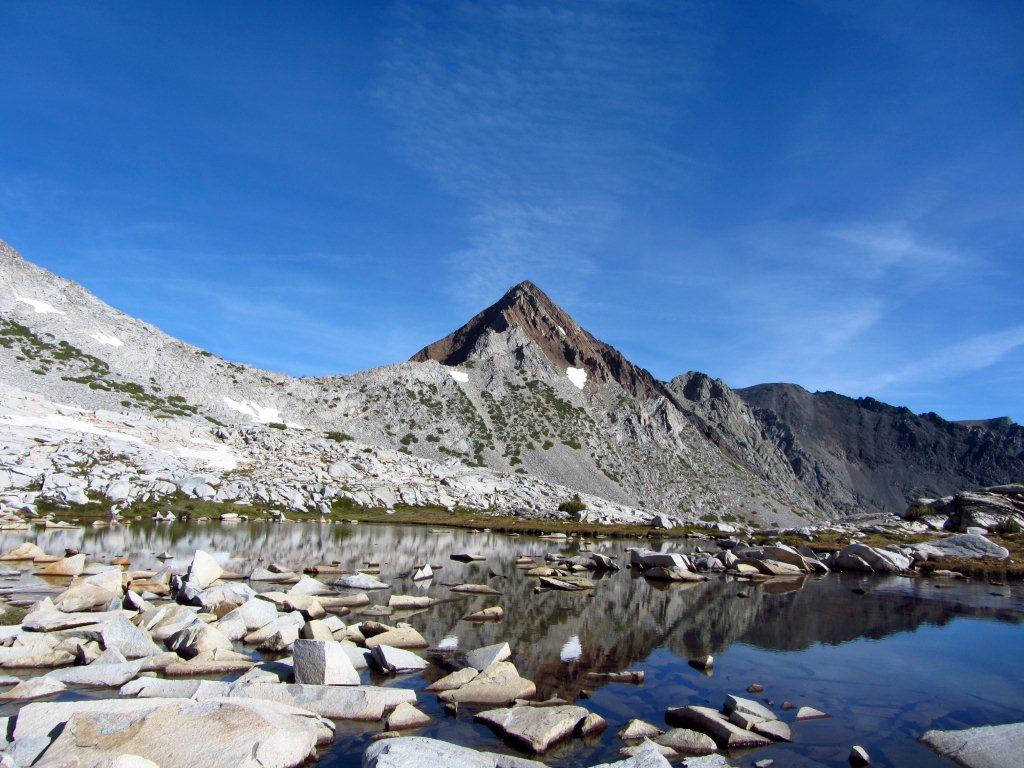
Virginia Peak, Sierra High Route, California, 2011.
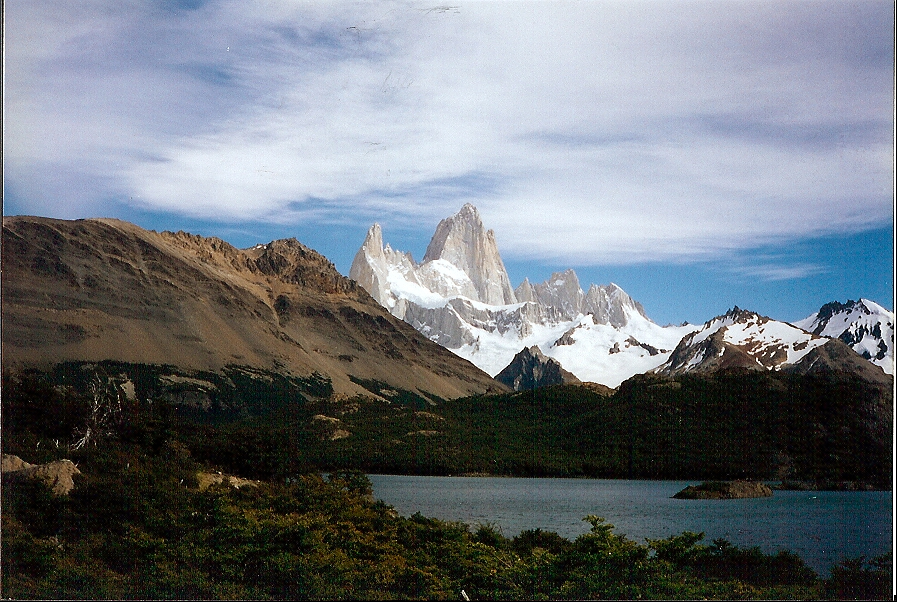
Cerro Fitzroy | Patagonia, Argentina, 1996.
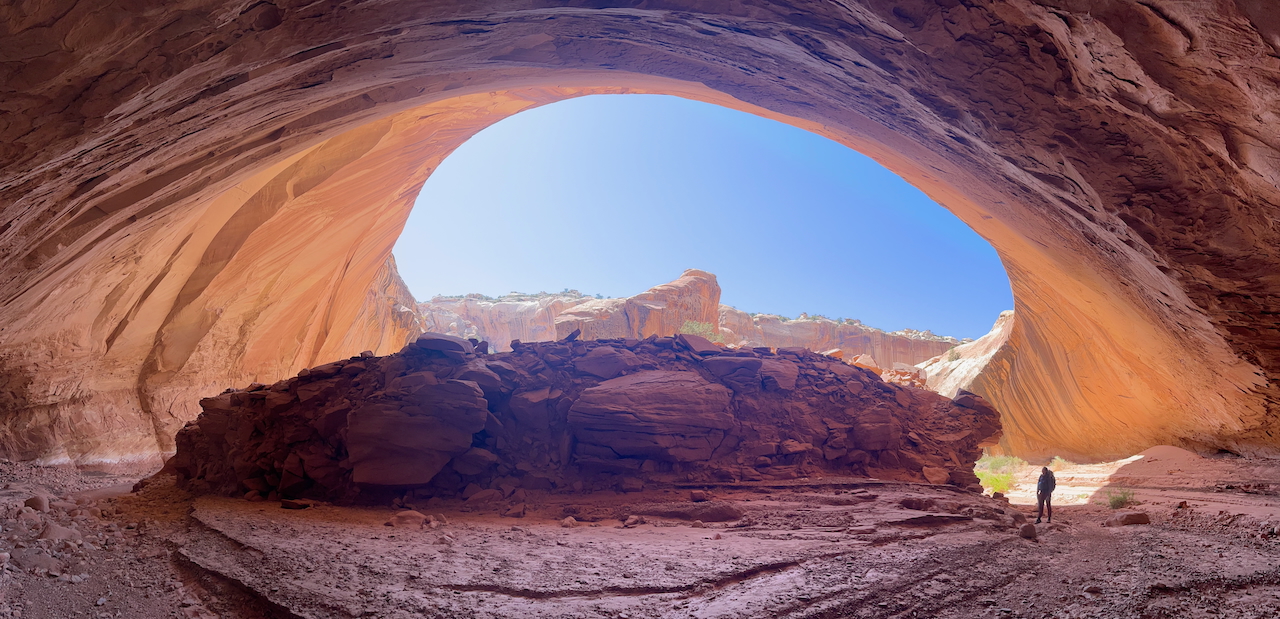
Lower Muley Twist Canyon, Capitol Reef National Park, Four Corners Region, Southern Utah Traverse, 2025.
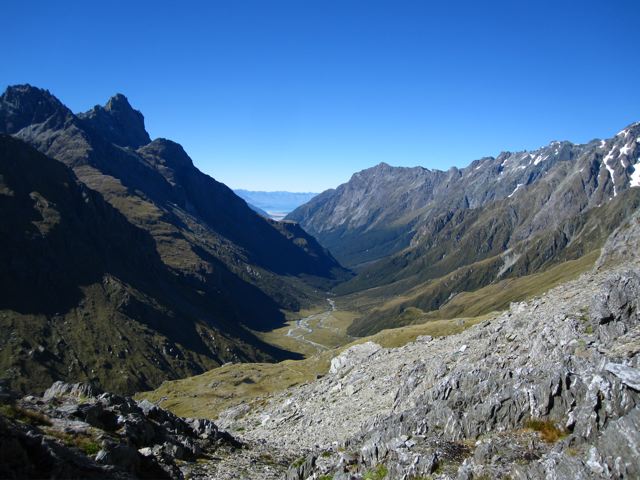
Five Passes Route, South Island, New Zealand, 2010.
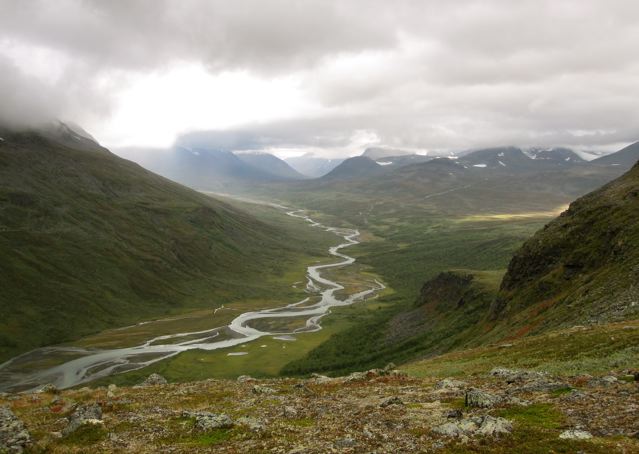
Sarek National Park, Swedish Lapland, 2009.
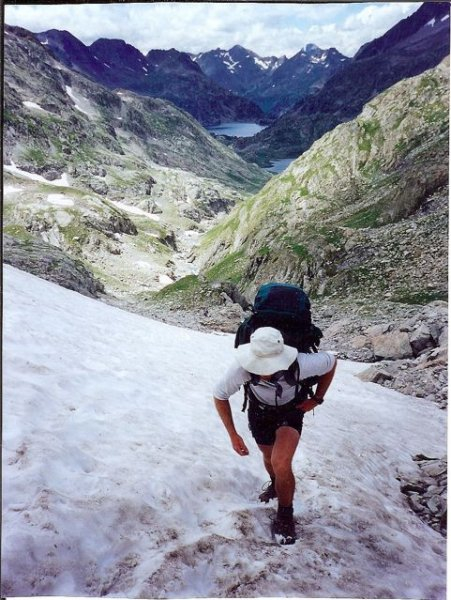
Pyrenees High Route, France/Spain, 1999.

Mt. Assiniboine | Great Divide Trail, Canada, 2011
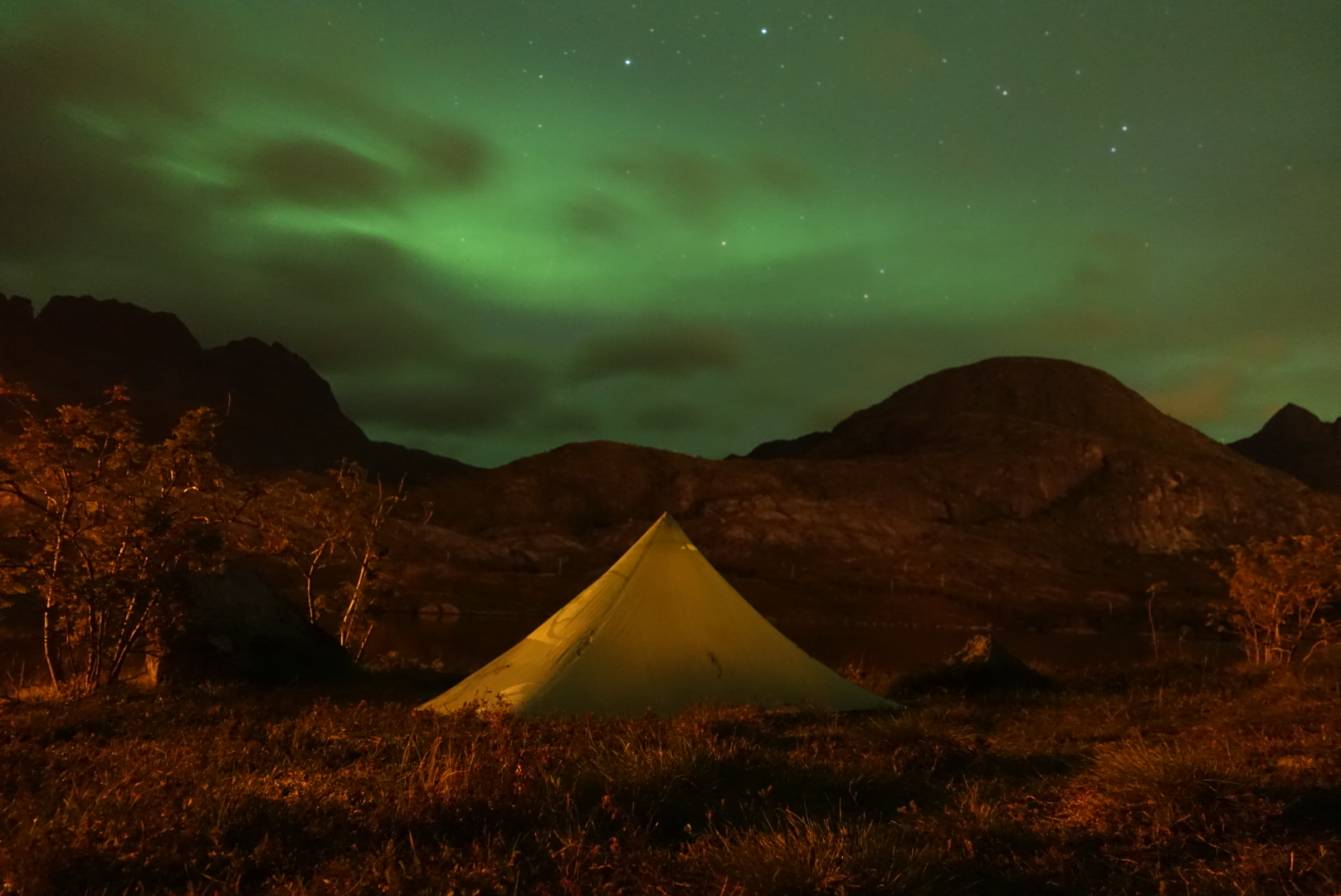
Long Crossing of the Lofoten Islands, Norway, Lapland, 2016.
A Final Note (or Confession)
I’m about as good at promoting stuff as I am at line dancing, macramé, and macroeconomics.
Case in point: This book actually launched several weeks ago, and my master strategy was to immediately go on holiday. In my defence – albeit not a particularly strong one – it was a hiking trip!
Anyway, I’m back now, and Hiking & Backpacking For Dummies is available in paperback and Kindle editions. If you’ve bought it and found it useful, enjoyable (or even mildly entertaining), I’d really appreciate you spreading the word and/or leaving a review. A lot of time, effort, and trail experience went into this book, and I hope it proves to be a valuable companion for hikers of all experience levels for many years to come.
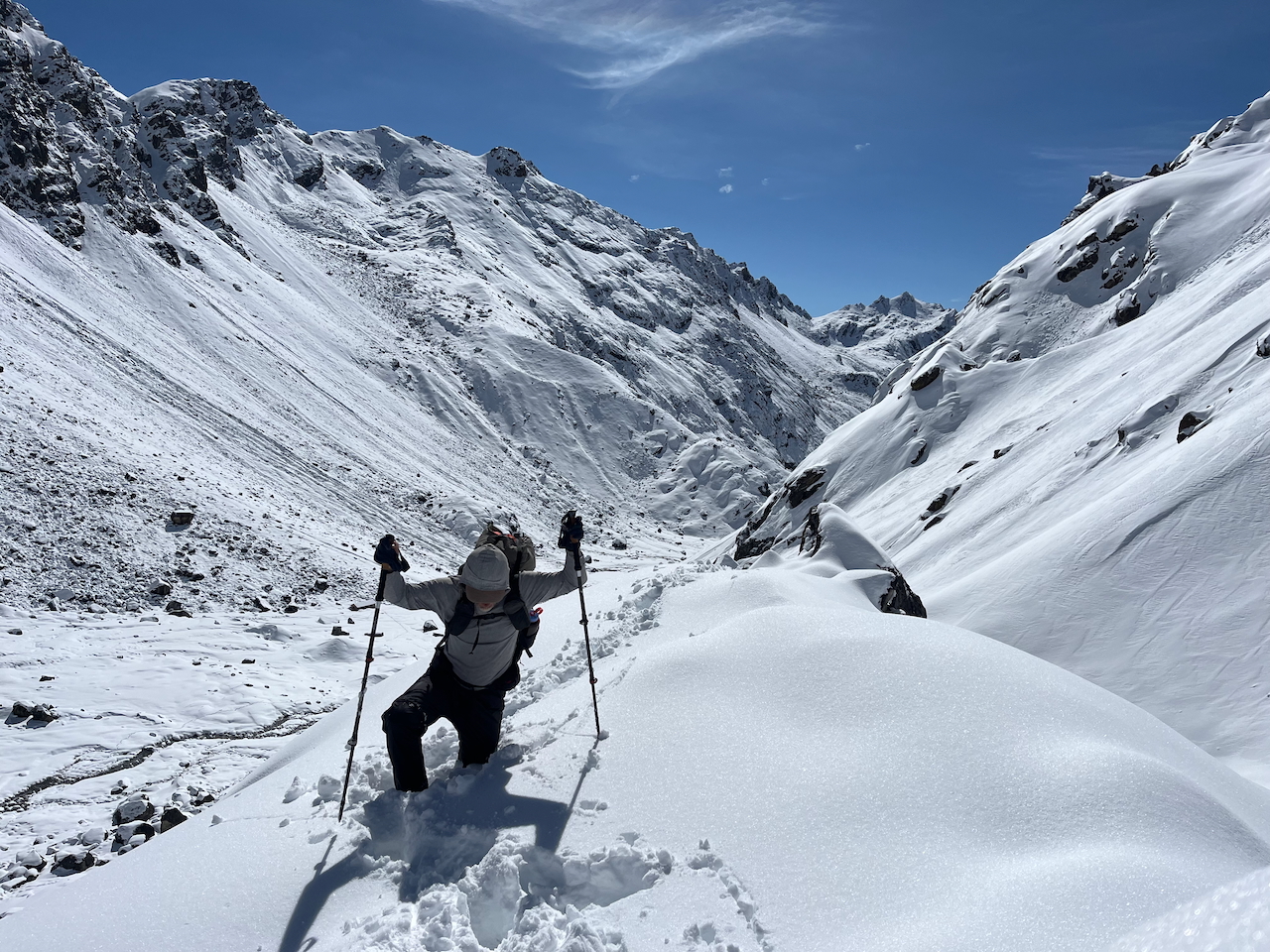
Slogging up Lumba Sumba Pass (5,160 m/16,930 ft) in eastern Nepal in late April, 2026 (okay, maybe it was a justifiable defence after all!).
Related Posts
Disclosure: This post contains affiliate links, which means The Hiking Life receives a small commission if you purchase an item after clicking on one of the links. This comes at no additional cost to the reader and helps to support the website in its continuing goal of creating quality content for hikers and backpackers.
Discover more from The Hiking Life
Subscribe to get the latest posts sent to your email.
Trending Products

Gentle Creatures Dog Sunscreen R...

UrbanMover Sand Remover Bag for Bea...

Kurgo Mud Dog Travel Shower –...

Violin Sonata in A minor, Op. 34 by...

Yufawow 9 Inch Men Swim Trunks with...

Bulex XXL Mesh Duffle Bag for Scuba...

Deco Gear Gaming Accessory Bundle &...

RAINFLOW 3PCS Mesh Bag – Draw...

Grips – Fito Closed-end Rubbe...